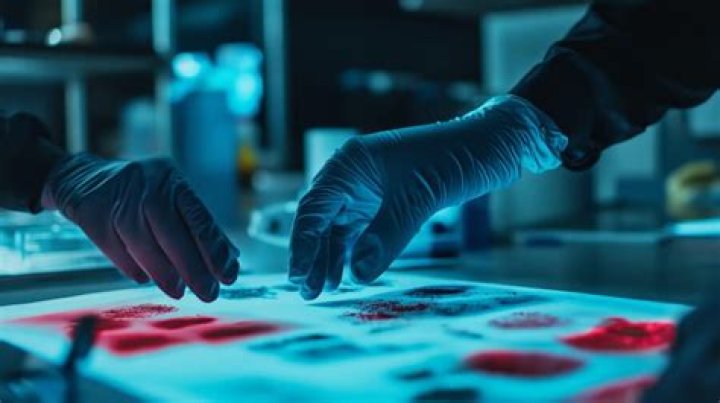
To determine the number of repeats at each marker, forensic scientists extract DNA from cells in blood or other fluids or tissues, copy the DNA using the polymerase chain reaction, and separate the copied markers using capillary electrophoresis.
What can be used to collect DNA evidence?
The most common reference samples collected from known individuals are blood, oral/buccal swabs, and/or plucked hairs (e.g., head, pubic).
What DNA is used in forensics?
Forensic scientists can use DNA profiles to identify criminals or determine parentage. A DNA profile is like a genetic fingerprint. Every person has a unique DNA profile, making it very useful for identifying people involved in a crime. The only exception to this is identical twins.
What is a DNA collection kit?
Collect high quality DNA samples for molecular diagnostics DNA Genotek’s clinically validated saliva-based collection kits are ideal for any clinical application that requires DNA to derive a result.
How can forensic use DNA in a crime?
DNA is generally used to solve crimes in one of two ways. In cases where a suspect is identified, a sample of that person’s DNA can be compared to evidence from the crime scene. Crime scene evidence can also be linked to other crime scenes through the use of DNA databases.
Can DNA be faked?
A new test distinguishes between real and fake genetic evidence. An Israeli company, called Nucleix, has shown that it’s possible to fake DNA evidence at a crime scene, a possibility that has been cited as a concern for those who make their genome sequence public.
Can a toothbrush be used for DNA testing?
The results of this study confirm earlier conclusions that a used toothbrush is a reliable source of antemortem DNA from a putative decedent. The use of aviation snips to remove a small portion of the toothbrush head provides an easy, inexpensive method of obtaining a sample for DNA extraction.
Can hair be used for DNA testing?
Hair analysis is used to provide DNA evidence for criminal and paternity cases. For DNA testing, the root of one hair is needed to analyze DNA and to establish a person’s genetic makeup. Hair analysis is less commonly used to test for heavy metals in the body, such as lead, mercury, and arsenic.
How accurate is forensic DNA testing?
Only one-tenth of 1 percent of human DNA differs from one individual to the next and, although estimates vary, studies suggest that forensic DNA analysis is roughly 95 percent accurate.
Can DNA evidence wrong?
They’re not wrong: DNA is the most accurate forensic science we have. It has exonerated scores of people convicted based on more flawed disciplines like hair or bite-mark analysis. And there have been few publicized cases of DNA mistakenly implicating someone in a crime.
How do I contact the DOJ DNA lab for collection?
The agency also can contact the DOJ DNA Lab at (510) 620-3300 during business hours [for collection confirmation press “O” in the automated answering system] to inquire as to the collection status of an offender. Does DOJ have a timetable for placing flags in C.I.I. when samples are received by DOJ?
Can we collect a DNA sample from PC 290 sex registrants?
Collection from Registering Sex and Arson Offenders: Can we collect a DNA sample from PC 290 sex registrants who became registrants as a result of a misdemeanor conviction? Yes. Both sex registrants and arson registrants whose underlying offense was a misdemeanor qualify for DNA collection.
Who is responsible for collecting DNA samples from inmates?
In that case (e.g., for everyone currently on probation, in custody, or on parole who has not given a sample), DNA collection should be done by the agency supervising or housing the offender. Note, however, that a judge must “inquire and verify” that DNA collection has occurred prior to sentencing.
Do juveniles with a felony qualify for DNA collection?
Juveniles who have been adjudicated (i.e., petition sustained) of a felony qualify for DNA collection whether they are made a ward of the court or not. Are juveniles placed on informal probation and juveniles participating in deferred entry of judgment programs subject to DNA collection requirements?